
Thomas Street Biodiversity Corridor
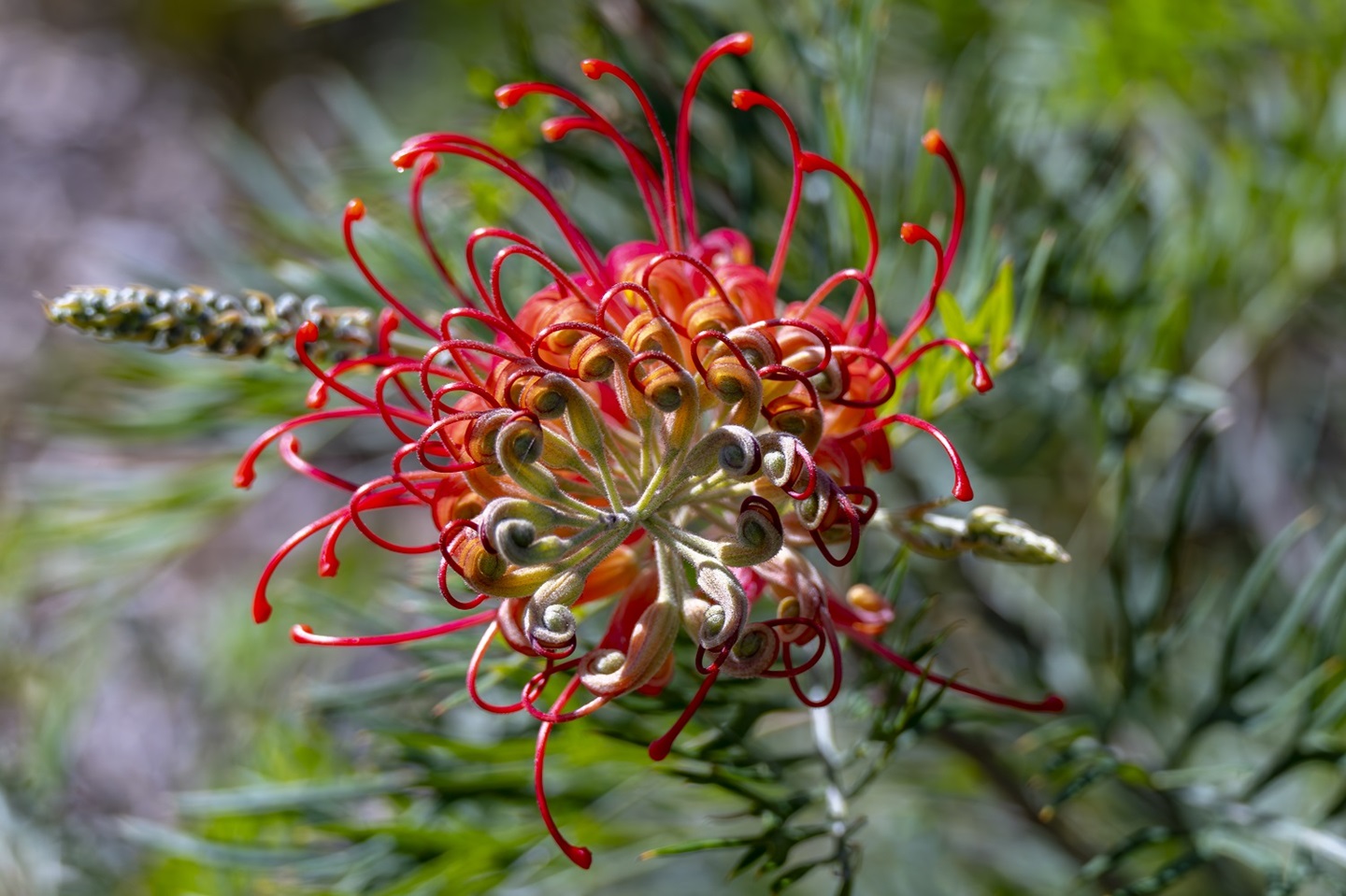
The Thomas Street Biodiversity Corridor, now flourishing with West Australian flora, has quickly become a favourite among residents and visitors alike.
Since its completion in November 2024, the corridor has transformed into a thriving natural showcase – earning the Environmental Stewardship Award from Parks and Leisure Australia.
The City of Perth’s Parks and Environment team is proud to have revitalised what was once a barren median strip, turning it into a rich biodiverse landscape that celebrates Western Australia’s unique natural beauty. The team hopes this project will inspire the community to plant sustainable gardens at home.
Western Australian flora is naturally waterwise and perfectly suited to our warm, dry climate, making them an ideal choice for Perth gardens. By incorporating WA flora in your own backyard, you can reduce water use while supporting urban biodiversity – creating habitat for local bees, food sources for birdlife, and resilient green spaces for the future.
Below is a selection of the plant and tree species featured throughout the Thomas Street Biodiversity Corridor – many of which you can purchase for your own garden.
| Species list | ||
|---|---|---|
| Species list Acacia alata | Acacia lasiocarpa | Acacia saligna "prostrate" |
| Species list Acacia wildenowiana | Anigozanthos (Kangaroo Paw) Big Red | Anigozanthos (Kangaroo Paw) Bush Ballad |
| Species list Anigozanthos (Kangaroo Paw) Bush Bonanza | Anigozanthos (Kangaroo Paw) Bush Fury | Anigozanthos (Kangaroo Paw) Yellow Gem |
| Species list Banskia ashbyi "dwarf" | Banskia attenuata "dwarf" | Banskia blechnifolia |
| Species list Banskia grandis | Banskia media "dwarf’" | Banskia menziesii "dwarf" |
| Species list Banskia prionotes "dwarf" | Beaufortia aestiva | Beaufortia elegans |
| Species list Beaufortia squarrosa "Orange" | Calothamnus quadrifidus "Little Ripper" | Calothamnus quadrifidus "prostate" |
| Species list Chorizema varium "Fire Stick" | Conostylis candicans | Dampirera linearis |
| Species list Eremaea pauciflora | Eremophila glabra "compact form" | Eremophila nivea |
| Species list Eucalyptus pyriformis | Eucalyptus rosacea | Eucalyptus synandra |
| Species list Eucalyptus youngiana | Grevillea bipinnatifida | Grevillea bipinnatifida "Mason's Hybrid" |
| Species list Grevillea crithmifolia "prostrate" | Grevillea obtusifolia "Gingin Gem" | Grevillea olivacea "Apricot Glow" |
| Species list Grevillea petrophiloides x oligomera "Panrock Princess" | Grevillea preissii "Sea Spray" | Grevillea thelemanniana "Gilt Dragon" |
| Species list Grevillea thelemanniana "Mini Marvel" | Hakea ruscifolia | Hakea trifurcata |
| Species list Hibbertia racemosa | Kennedia prostrata | Lechenaultia biloba |
| Species list Lechenaultia formosa "Eldorado" | Melaleuca conothamnoides | Melaleuca huegelii "prostrate" |
| Species list Melaleuca nesophila "Little Nessie" | Melaleuca radula | Melaleuca scabra |
| Species list Melaleuca seriata | Melaleuca thymoides | Melaleuca trichophylla |
| Species list Myoporum parvifolium "Fine Green'" | Myoporum parvifolium pink | Myoporum parvifolium "Purpurea" |
| Species list Patersonia occidentalis | Pimelea ferruginea "Magenta Mist" | Scaevola thesoides |
| Species list Thysanotus multiflorus | Trachymene coerulea | Verticordia acerosa var acerosa |
| Species list Verticordia densiflora | Verticordia plumosa |
Set your waterwise garden up for success
|
Select appropriate plants for sunlight conditions |
Ensure each plant is suited to the light levels of its intended location—most plants prefer full sun. |
|
Prepare weed-free garden beds |
Remove all weeds prior to planting to reduce competition and support healthy growth. |
|
Maintain consistent watering |
All our plants are drought-tolerant, they require regular moisture during establishment. Focus watering at the root zone. |
|
Use suitable soil types |
These plants thrive in light, sandy loam soils with good drainage. |
|
Apply mulch strategically |
Mulch helps retain soil moisture and suppress weeds. Keep mulch clear of plant stems to prevent rot. |
|
Choose low-phosphorus fertilisers |
These plants are sensitive to high nutrient levels; opt for fertilisers formulated specifically for natives. |
|
Feed annually in spring |
Use a native slow-release fertiliser to support seasonal growth. |
|
Plant during warm Autumn months |
This timing encourages strong root development before summer stress. |
Want a waterwise garden?
You can purchase these species from numerous retail nurseries including:
Featured species
-
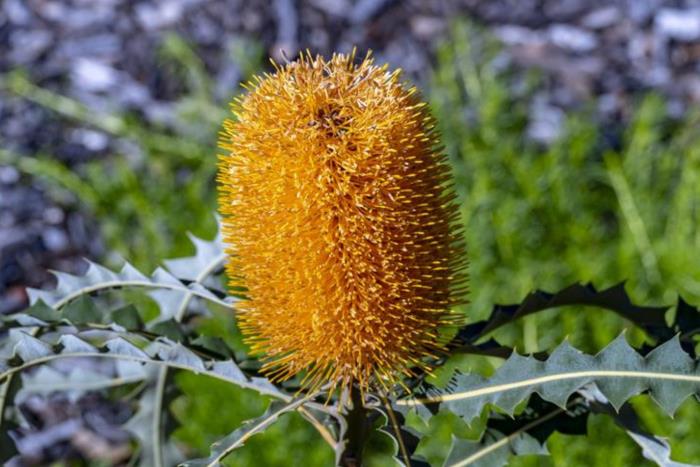
Ashby's Dwarf
Banksia ashbyi
-
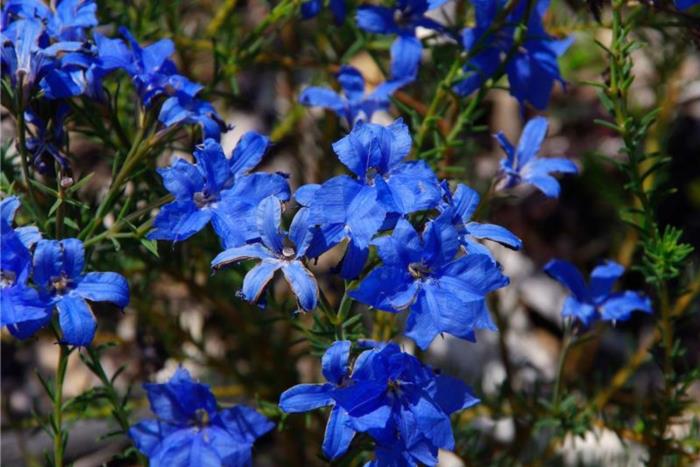
Blue Lechenaultia
Lechenaultia biloba
-
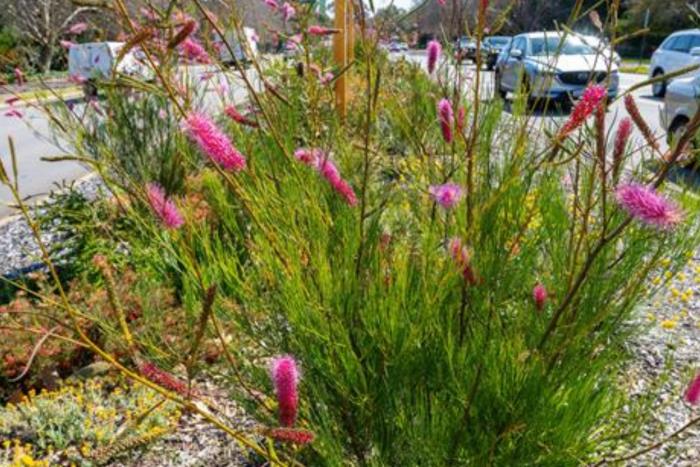
Grevillea Panrock Princess
Grevillea petrophiloides x oligomera
-
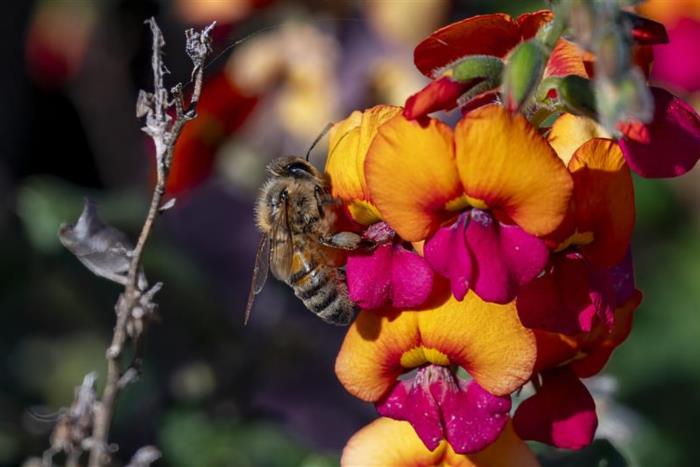
Heart-leaf flame pea
Chorizema cordatum