
Cool Roads program
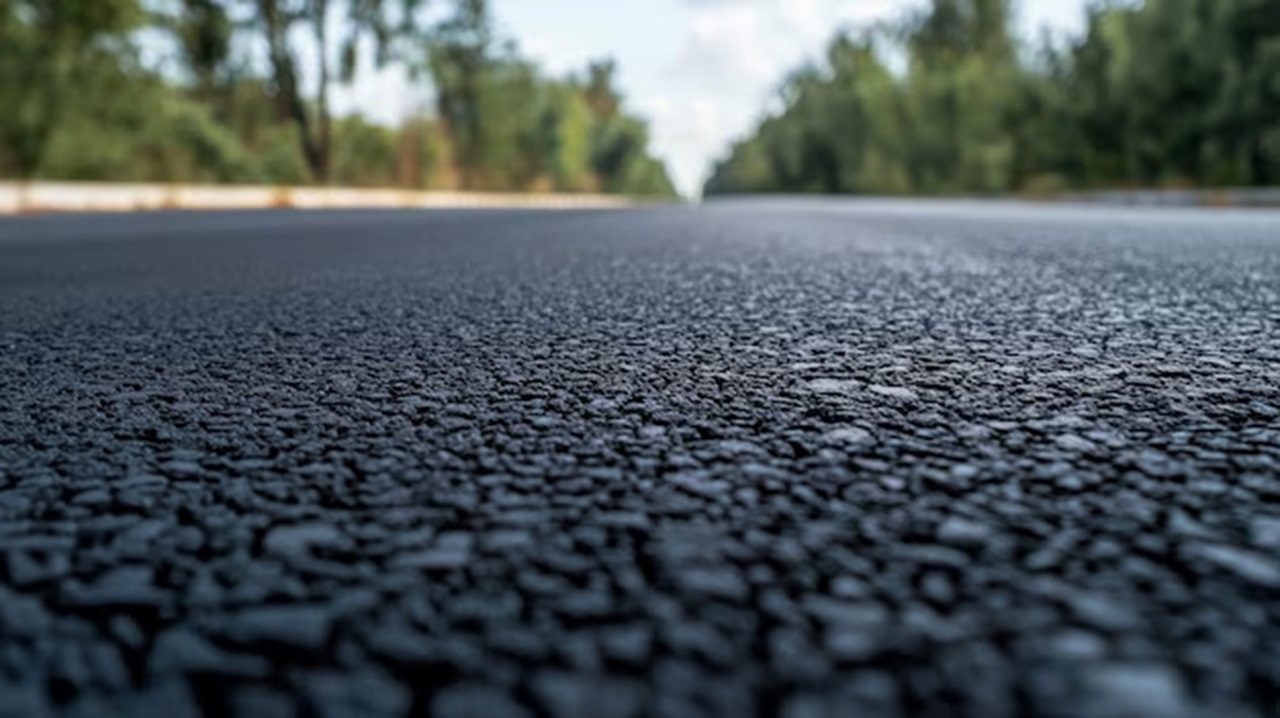
A heat-reflective asphalt treatment will be applied to several roads in East Perth and Crawley to help keep road surfaces cooler.
This innovative treatment is designed to reduce surface temperatures during warmer weather, improving pedestrian comfort and creating a cooler streetscape. The asphalt seal will also extend the usable life of these roads.
It will also support the City’s sustainability goals by reducing long-term maintenance costs, lowering greenhouse gas emissions, and using an environmentally friendly, recyclable material.
Schedule of works
The City is planning to commence works in mid-March 2026.
Key project details will be provided to nearby residents and businesses closer to the start of works.
Temporary impacts during works
- On-street parking will be unavailable until works are complete.
- To support the contractor in completing works on schedule, residents and businesses are asked not to leave vehicles within the work zone or in hooded parking areas.
- Temporary road closures will be in place to facilitate the works.
- Pedestrian access will be maintained.
- Noise from equipment may be experienced during work hours.
Frequently asked questions
-
What is the Cool Roads trial?
The City of Perth is trialling a heat-reflective coating to help keep road surfaces cooler.
The trial, which will start with 2.5km of sections of roads in East Perth and Crawley, is part of the City’s efforts to better understand and manage the urban heat island effect.
-
Has the City used anything like this before?
This is the first time the City has trialled the reflective pavement treatment on its road network.
The coating has been used in car parks and on some roads in regional Western Australia and similar treatments have been tested in other Australian states and internationally, including in the United States.
-
How does the treatment work?
Traditional dark asphalt absorbs significant solar heat.
The Cool Roads treatment sees a lighter-coloured reflective coating applied to the road surface, which increases the surface’s reflectivity (which is called albedo), meaning more solar energy is reflected away from the surface rather than absorbed into the pavement.
-
How much can it reduce temperatures?
Trials have shown that reflective pavement coatings can reduce road surface temperatures between 3 and 11°C in warm conditions.
In some cases, this can also contribute to small reductions in surrounding ambient temperatures of around 1-2°C, improving pedestrian comfort.
-
Does reflecting heat away simply move the heat elsewhere?
No.
Reflective pavements reduce the amount of heat absorbed and stored in the road surface.
This helps limit heat that would otherwise be released back into the environment later, which contributes to the urban heat island effect.
-
Why is the City undertaking this trial?
Roads and paved surfaces make up a large portion of Perth’s built environment and contribute to heat build-up.
This trial will help the City understand how reflective pavement technology performs in Perth’s climate, including temperature impacts, durability and maintenance requirements.
-
Does the treatment have other benefits?
Yes.
In addition to potential cooling benefits, the coating can help extend the life of existing asphalt by slowing the ageing of pavement materials.
This may reduce the frequency of resurfacing works, saving costs and minimising disruption and construction impacts over time.
-
How long will the trial run?
This trial covers approximately 2.5 km of roads throughout East Perth and Crawley and will be monitored over time under real traffic and weather conditions.
The coating typically has an expected lifespan of around nine years, depending on traffic volumes and environmental exposure.
-
Where can this treatment be used?Reflective pavement coatings are generally suited to low to moderate speed urban roads, typically those with speed limits of 60 km/h or lower.
-
What other steps is the City taking to address urban heat?
Reflective pavements are just one of the ways the City is tackling urban cooling. Other initiatives include:
- Expanding tree canopy and urban greening
- Increasing shade through urban design choices
- Using cooler construction materials
- Supporting water-sensitive urban design.
The City is also protecting existing trees through projects like the Perth Convention Centre Car Park Rehabilitation, which used tree-sensitive engineering to retain mature trees and preserve canopy coverage.
Related documents Crawley
- Cool Roads Advance Resident Notification Letter - Crawley1.04 MB | PDF Document
- Cool Roads Resident Notification Letter - Crawley1.23 MB | PDF Document
- Cool Roads Work Schedule - Crawley643.49 KB | PDF Document
Related documents East Perth
- Cool Roads Advance Resident Notification Letter - East Perth1.06 MB | PDF Document
- Cool Roads Resident Notification Letter - East Perth1.06 MB | PDF Document
- Cool Roads Work Schedule - East Perth624.91 KB | PDF Document