Community
Celebrating Wear It Purple Day with Avery Wright
24 Aug '213 min read
Friday 27 August is Wear It Purple Day, an annual day to raise awareness of the challenges LGBTQIA+ young people face and promote support and acceptance.
Sadly, six in 10 young LGBT people experience verbal homophobic abuse and two in 10 experience physical homophobic abuse (1). They’re also more likely than the general population to attempt suicide, have suicidal ideation or self-harm following experience of abuse and harassment (2).
The theme for Wear It Purple Day 2021 is ‘Start the Conversation…Keep it Going’, which highlights the important and necessary conversations we need to have about sexual orientation and gender identity. It is a reminder that the issues faced by LGBTQIA+ young people are prevalent all year around – therefore the conversations should be too.
Ahead of this important day, we interviewed Avery Wright, the youngest member of the City’s LGBTQIA+ Advisory Group.
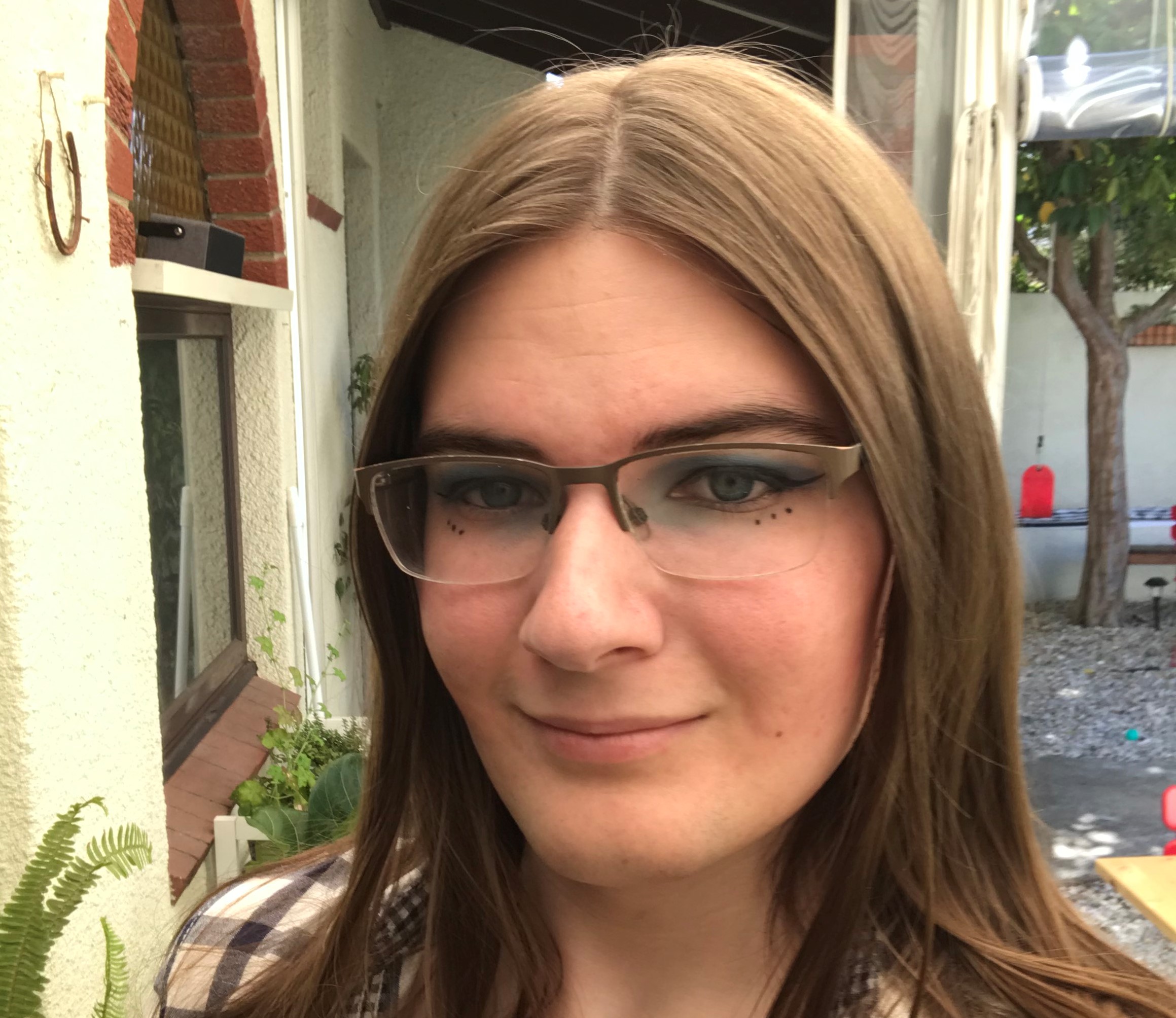 Avery Wright, LGBTQIA+ Advisory Group member
 Hey! So, I am a pansexual transgender woman and also a student currently studying political science and philosophy at UWA. I also happen to be one of the current Pride Officers at the UWA student guild and that’s how I got involved in the LGBTQIA+ Advisory Group. Within the group I aim to provide the perspectives of both young LGBTQIA+ people and LGBTQIA+ students. I am most excited to work towards creating a pride hub* to create a permanent space for our community where we can access services and social spaces.
*Action for consideration in draft LGBTQIA+ Plan
Wear It Purple Day is important to me because it helps young LGBTQIA+ young people see who their allies are. It’s not like on an average day people walk around with a sign that tells you that they’re an ally; you have to rely on your intuition to figure out if you can trust someone. Wear It Purple Day changes up the dynamic and now you know exactly who you can trust and this matters especially to young LGBTQIA+ people who are often in incredibly vulnerable situations and really could do with the support.
When I was in high school, I was looking for ways to know who my allies were without needing to come out. Pride stickers on laptops, a small comment about how they supported marriage equality, introducing themselves with their pronouns as well, and so many other small details would be my signal to know I was safe. When I did eventually come out to someone, what I needed was support and understanding. Young LGBTQIA+ people are often in really difficult circumstances so being prepared to deal with that is also a good idea.
I would try to tell her that it is going to get better eventually even if right now it seems really bleak. Like a lot of young LGBTQIA+ people, I really struggled with my mental health and especially struggled to manage my gender dysphoria without access to medical care. Back then I couldn’t imagine actually getting to where I am now, it all seemed so far, but fortunately I met a lot of supportive people along the way who helped me get by day to day. So yeah, I’d like to tell her to keep trying, it hasn’t ended up perfectly but it’s so much better than where she was in life back then.
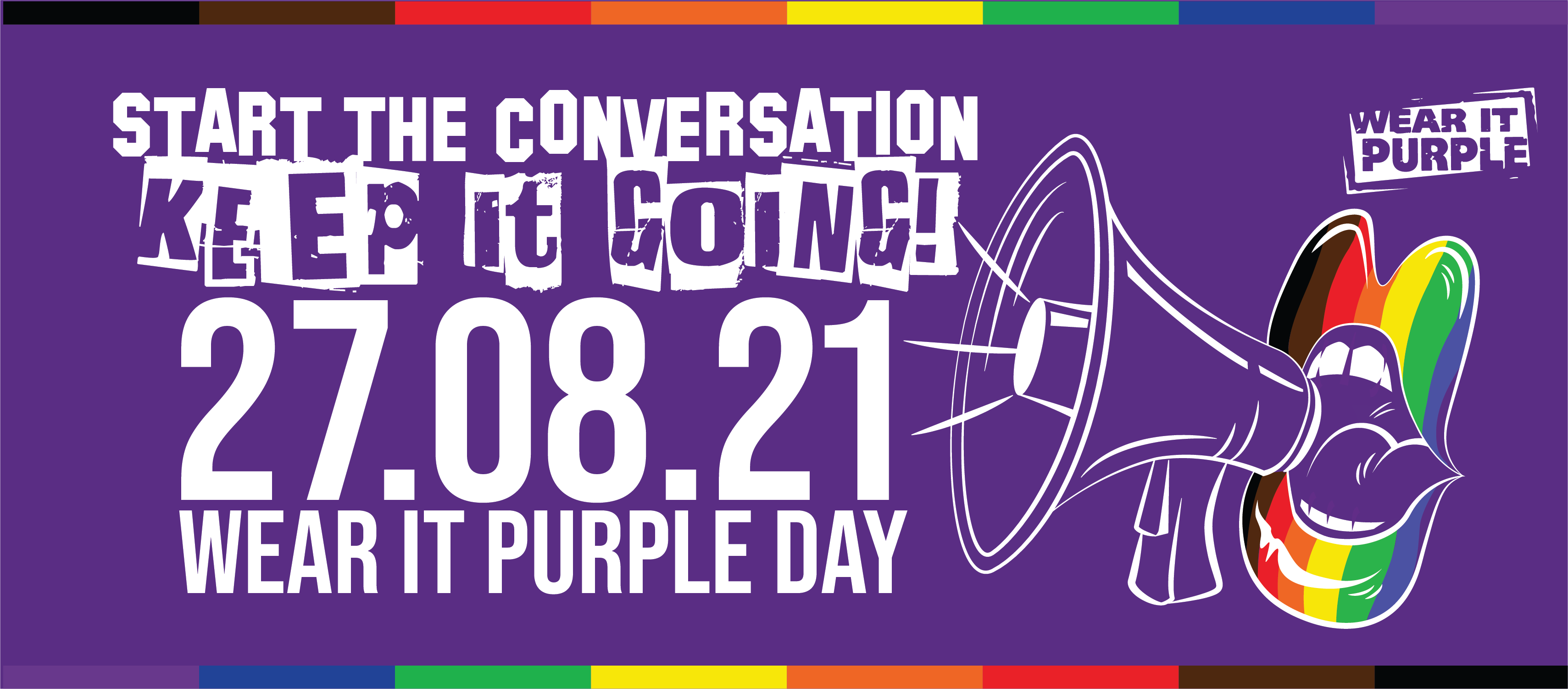
Council House will be lit up purple on 27 August.
For more information on Wear It Purple Day and how you can get involved, visit their website.
If this topic brings up anything for you, you can contact the following groups:
Other groups for young LGBTQIA+ people:
Sources:


Do you have a media enquiry for the City of Perth? Submit an enquiry and include your name, contact details and any questions that require a response. If you would like to discuss your enquiry, please email the media line at media@cityofperth.wa.gov.au.
Make an Enquiry


